

Research notes

Survodutide Research Guide: Mechanism, Trials and Status

Survodutide (BI 456906) is a once-weekly glucagon receptor/GLP-1 receptor dual agonist developed by Boehringer Ingelheim, studied in obesity and in MASH (metabolic dysfunction-associated steatohepatitis). Its phase 3 SYNCHRONIZE-1 obesity trial reported a mean weight change of up to 13.0% at 76 weeks against 5.4% with placebo, and a phase 2 MASH trial reported histological improvement in up to 62% of participants against 14% with placebo. As of September 2026, survodutide has no FDA or EMA approval and remains under phase 3 investigation for both obesity and MASH; Peptyds does not supply survodutide, and sells retatrutide, a related but structurally different research peptide, for laboratory research.

9 min readUpdated 24 Sept 2026Reviewed by Independent EU laboratory (ISO/IEC 17025)
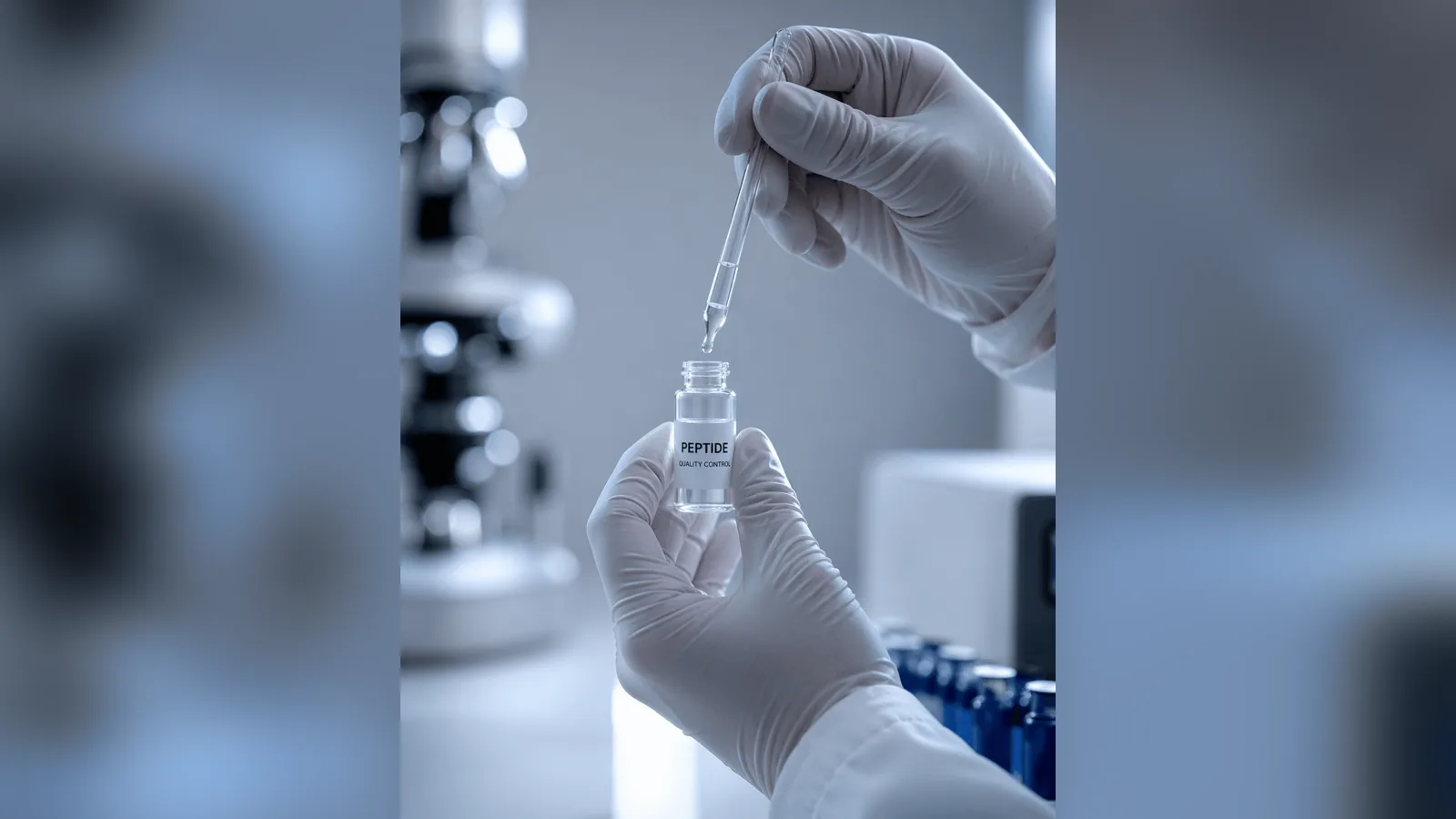
Gloved hands hold a small vial and a pipette in a laboratory.
Jump to section
  1. 01What is survodutide?
  2. 02What did the phase 2 obesity trial show?
  3. 03What did the phase 3 SYNCHRONIZE trials show in obesity?
  4. 04What does the research show in MASH?
  5. 05What are the phase 3 liver trials studying now?
  6. 06What does the safety and tolerability data show?
  7. 07How does survodutide compare with mazdutide?
  8. 08Is survodutide approved, and does Peptyds sell it?
  • Survodutide (BI 456906) is a once-weekly glucagon receptor/GLP-1 receptor dual agonist developed by Boehringer Ingelheim.
  • A phase 2 dose-finding trial in 387 adults with obesity reported mean weight changes of −6.2% to −14.9% across four doses at 46 weeks, against −2.8% with placebo.
  • The phase 3 SYNCHRONIZE-1 trial in 725 adults with obesity reported mean weight changes of −12.2% and −13.0% at 76 weeks against −5.4% with placebo, using the trial's primary treatment-regimen estimand.
  • A phase 2 trial in biopsy-confirmed MASH reported histological improvement without worsening of fibrosis in 43–62% of participants on survodutide, against 14% with placebo; a phase 3 MASLD trial and two ongoing phase 3 MASH-fibrosis trials (LIVERAGE, LIVERAGE-Cirrhosis) followed it.
  • As of September 2026, survodutide has no FDA or EMA approval anywhere and remains investigational in phase 3 development.
  • Peptyds does not sell survodutide; it supplies retatrutide, a related but structurally different research peptide, for laboratory research.

Discussed in this guide

  • RetatrutideA triple agonist peptide targeting GIP, GLP-1, and glucagon receptors — studied in advanced metabolic and weight-regulation contexts.10 mg · 60 mg€4.32 / mg

What is survodutide?

Survodutide, development code BI 456906, is a long-acting peptide that activates two receptors at once: the glucagon receptor and the glucagon-like peptide-1 (GLP-1) receptor. It is given by once-weekly subcutaneous injection, and Boehringer Ingelheim is the sponsor of its obesity and liver-disease trials.[3]

Reviews of this drug class describe the two receptors as complementary: GLP-1 receptor activity suppresses appetite and slows gastric emptying, while glucagon receptor activity is associated with increased energy expenditure and hepatic fat oxidation. How chronic glucagon-receptor activation behaves over months of treatment in humans is still being characterised, which is part of why survodutide's own trials track liver fat and cardiometabolic markers alongside body weight.[6]

Survodutide is being studied for two separate uses: as a treatment for obesity and overweight, and as a treatment for metabolic dysfunction-associated steatohepatitis (MASH), a form of chronic liver disease driven by fat accumulation and inflammation. The obesity and cardiometabolic programme is named SYNCHRONIZE; the MASH-with-fibrosis programme is named LIVERAGE. Both are covered in turn below.

What did the phase 2 obesity trial show?

The first major human evidence for survodutide in obesity came from a 46-week, randomised, double-blind, placebo-controlled, dose-finding phase 2 trial in 387 adults with overweight or obesity but without diabetes. Participants received once-weekly survodutide at 0.6 mg, 2.4 mg, 3.6 mg or 4.8 mg, or placebo.[1]

Mean body-weight change from baseline to week 46 ranged from −6.2% on the lowest dose to −14.9% on the highest dose, against −2.8% with placebo. Adverse events, mostly gastrointestinal and described as mild to moderate, occurred in 75% of participants on survodutide against 42% on placebo.[1]

What did the phase 3 SYNCHRONIZE trials show in obesity?

SYNCHRONIZE-1, published in the New England Journal of Medicine in 2026, was a 76-week, randomised, double-blind, placebo-controlled phase 3 trial in 725 adults with a body-mass index of 30 or higher, or 27 or higher with an obesity-related complication, who did not have diabetes. Participants were randomly assigned in equal groups to once-weekly survodutide at a dose adjusted up to 3.6 mg, up to 6.0 mg, or placebo, alongside lifestyle counselling.[3]

Using the trial's primary treatment-regimen estimand, mean body weight fell by 12.2% on the 3.6 mg dose and 13.0% on the 6.0 mg dose, against 5.4% with placebo, and 72.6% and 71.9% of participants respectively lost at least 5% of body weight, against 46.3% with placebo. Gastrointestinal symptoms, typically mild to moderate, occurred in 80.9% and 89.7% of the two survodutide groups against 47.9% with placebo; no deaths were reported.[3]

A companion phase 3 trial, SYNCHRONIZE-2, enrolled adults with obesity who also have type 2 diabetes; its baseline characteristics were published in 2026, and the trial is recorded as completed on ClinicalTrials.gov, but a full results paper had not appeared in print as of September 2026.[4][7]

A separate cardiovascular-safety trial, SYNCHRONIZE-CVOT, tested survodutide against placebo in people with overweight or obesity and elevated cardiovascular risk. It is also recorded as completed on ClinicalTrials.gov, though its results had not been published as of September 2026.[8]

Continue reading:Read the peptides and weight-loss research overview

What does the research show in MASH?

A phase 2 trial published in the New England Journal of Medicine in 2024 tested survodutide against placebo in adults with biopsy-confirmed MASH and liver fibrosis stages F1 to F3, over 48 weeks (a 24-week dose-escalation period followed by 24 weeks of maintenance), at doses of 2.4 mg, 4.8 mg or 6.0 mg.[2]

Improvement in MASH without worsening of fibrosis occurred in 47%, 62% and 43% of participants on the three survodutide doses, against 14% with placebo. A liver-fat reduction of at least 30% occurred in 63%, 67% and 57% of participants, against 14% with placebo, and fibrosis improved by at least one stage without MASH worsening in 34%, 36% and 34% of participants, against 22% with placebo.[2]

What are the phase 3 liver trials studying now?

A phase 3 trial, SYNCHRONIZE-MASLD, published in Nature Medicine in 2026, tested a single 6.0 mg survodutide dose against placebo (2:1 randomisation) in 216 adults with obesity and at-risk metabolic dysfunction-associated steatotic liver disease (MASLD). Using the trial's efficacy estimand, 84.2% of survodutide-treated participants had at least a 30% reduction in MRI-measured liver fat at 48 weeks, against 24.3% with placebo, and mean body weight fell by 12.2% against 1.0% with placebo; both figures were smaller under the trial's more conservative treatment-regimen estimand. Gastrointestinal events were again among the most common adverse events.[5]

Two further phase 3 trials target MASH with more advanced fibrosis. LIVERAGE is studying survodutide in an estimated 1,800 adults with MASH and moderate or advanced fibrosis; LIVERAGE-Cirrhosis is studying it in an estimated 1,590 adults with compensated MASH cirrhosis. Both trials began enrolling in late 2024 and were still recruiting, with no results reported, as of September 2026.[9][10]

What does the safety and tolerability data show?

Across survodutide's published trials, gastrointestinal symptoms — nausea, vomiting and diarrhoea, generally described as mild to moderate — are consistently the most frequently reported adverse events, and they occur more often at higher doses. In the phase 2 obesity trial, gastrointestinal events occurred in 75% of survodutide recipients against 42% with placebo; in the phase 3 SYNCHRONIZE-1 trial, in 80.9% and 89.7% of the two dose groups against 47.9% with placebo.[1][3]

SYNCHRONIZE-1 reported no deaths among its 725 participants over 76 weeks. Boehringer Ingelheim is separately running a dedicated cardiovascular-safety trial, SYNCHRONIZE-CVOT, reflecting a class-wide question reviews raise about glucagon-receptor co-agonists: because glucagon signalling can raise heart rate, cardiovascular effects are being tracked as a specific research question for this compound class rather than assumed from the weight-loss data alone.[3][6]

How does survodutide compare with mazdutide?

Survodutide and mazdutide are both once-weekly peptides that activate the glucagon and GLP-1 receptors together, but they come from different developers and different trial programmes. Survodutide, sponsored by Boehringer Ingelheim, has been tested mainly in global, multi-country trials; mazdutide has been tested mainly in Chinese trial populations and holds its only regulatory approvals in China, for weight management and type 2 diabetes.[3]

The two compounds have not been compared head-to-head, so neither published record can be used to rank one above the other; differences in population, dose and duration across each research programme all affect the reported numbers.

Continue reading:Read the Mazdutide Research GuideRead Mazdutide vs Retatrutide

Is survodutide approved, and does Peptyds sell it?

No. As of September 2026, survodutide has not been approved by the FDA, the EMA or any other regulatory authority for any use. Its obesity and cardiometabolic trials (SYNCHRONIZE-1, SYNCHRONIZE-2, SYNCHRONIZE-CVOT) are recorded as completed, and its MASH-with-fibrosis trials (LIVERAGE, LIVERAGE-Cirrhosis) were still recruiting.[3][9][10]

Peptyds does not supply survodutide. Peptyds does supply retatrutide, a related but structurally different research peptide — a triple receptor agonist that adds the GIP receptor — for laboratory research use only.

Continue reading:Shop RetatrutideRead the GLP-1 peptides hub

Sources

  1. [01]
  2. [02]
  3. [03]
  4. [04]
  5. [05]
  6. [06]
  7. [07]
  8. [08]
  9. [09]
  10. [10]

Questions

What is survodutide?

Survodutide (BI 456906) is an investigational, once-weekly peptide that activates the glucagon receptor and the GLP-1 receptor together. It is being developed by Boehringer Ingelheim and studied in obesity and in MASH, a chronic liver disease.[3]

Is survodutide the same as mazdutide?

No. Both are once-weekly glucagon/GLP-1 dual agonists, but they are different molecules from different developers with separate trial programmes; survodutide has been tested mainly in global trials sponsored by Boehringer Ingelheim, while mazdutide has been tested mainly in Chinese trial populations and holds approvals only in China.[3]

Has survodutide been approved for weight loss or MASH?

No. As of September 2026, survodutide has no FDA, EMA or other regulatory approval anywhere. It remains investigational, with several phase 3 trials completed and others, including its MASH-with-fibrosis trials, still recruiting.[3][9]

What did the SYNCHRONIZE-1 trial show?

SYNCHRONIZE-1 was a 76-week phase 3 trial in 725 adults with obesity without diabetes. Using its primary treatment-regimen estimand, mean body weight fell by 12.2% and 13.0% on the two survodutide doses, against 5.4% with placebo, with gastrointestinal symptoms as the most common adverse events and no deaths reported.[3]

What does the research show about survodutide and liver disease?

A phase 2 trial in biopsy-confirmed MASH reported improvement without worsening of fibrosis in 43–62% of participants on survodutide, against 14% with placebo, and a phase 3 trial in at-risk MASLD reported a 30%-or-greater reduction in liver fat in up to 84.2% of participants, against 24.3% with placebo. Two further phase 3 trials in more advanced liver fibrosis were still recruiting as of September 2026.[2][5][9]

What are the most common side effects reported in survodutide trials?

Gastrointestinal symptoms — nausea, vomiting and diarrhoea, generally described as mild to moderate — are the most consistently reported adverse events across survodutide's trials, occurring more often at higher doses; a dedicated cardiovascular-safety trial has also been run for this compound class.[1][3]

Does Peptyds sell survodutide?

No. Peptyds does not supply survodutide. Peptyds supplies retatrutide, a related but structurally different research peptide, for laboratory research use only.

Educational content. Not medical advice.

Next step

Choose the route that matches how you read.