

Healthy-aging peptides are short signaling molecules studied for senescent-cell modulation, mitochondrial support, and tissue-repair pathways relevant to age-related decline.
Healthy Aging
All products listed under this goal are supplied for in vitro laboratory research only and are not intended for human consumption or therapeutic use.
Peptides for long-term resilience — graceful maintenance, not anti-aging theatre.
Peptides for people thinking in years, not weeks — each one chosen for long-term support and explained without jargon.
- Where should I start if I'm new to peptides?
- Which peptides belong in a healthy-aging routine?
- What lab results and research can I see before I buy?
A short list of peptides that fit this goal.
We keep the choice focused. Every peptide here has a clear purpose, ISO/IEC 17025 lab testing, and a product page written without jargon.
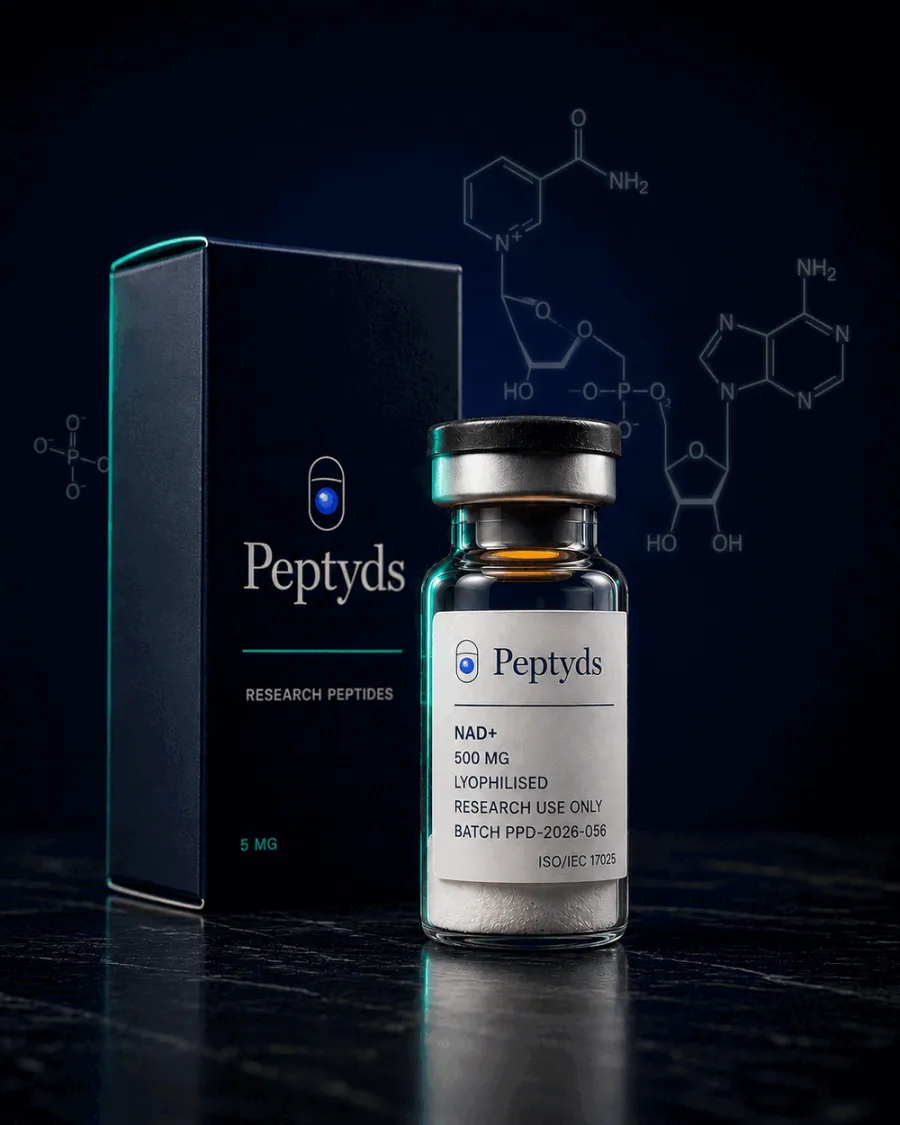
Nicotinamide adenine dinucleotide — a coenzyme central to cellular energy metabolism and sirtuin-pathway signalling, studied for its role in longevity and mitochondrial health.
Nootropic & Anxiolytic Research.
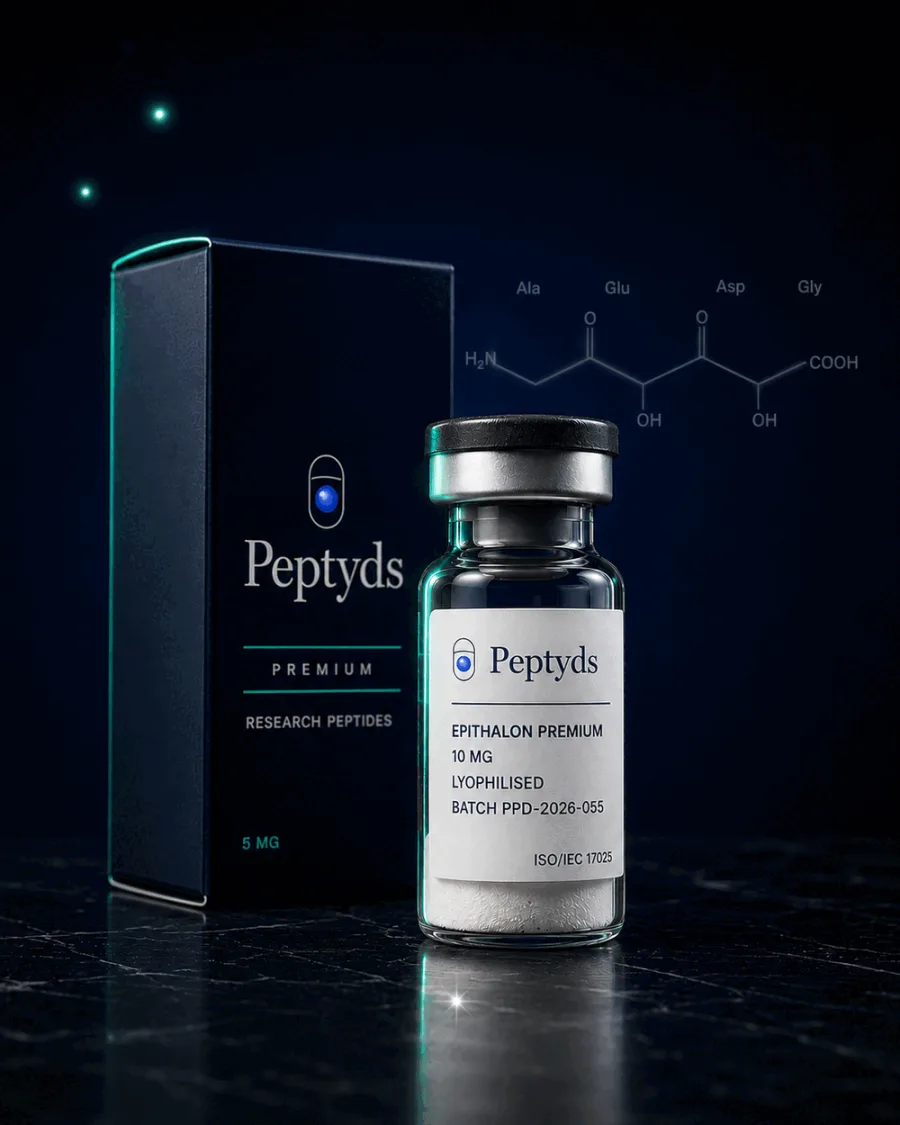
A tetrapeptide studied for its role in supporting telomerase activity and circadian rhythm — framed for long-horizon routines.
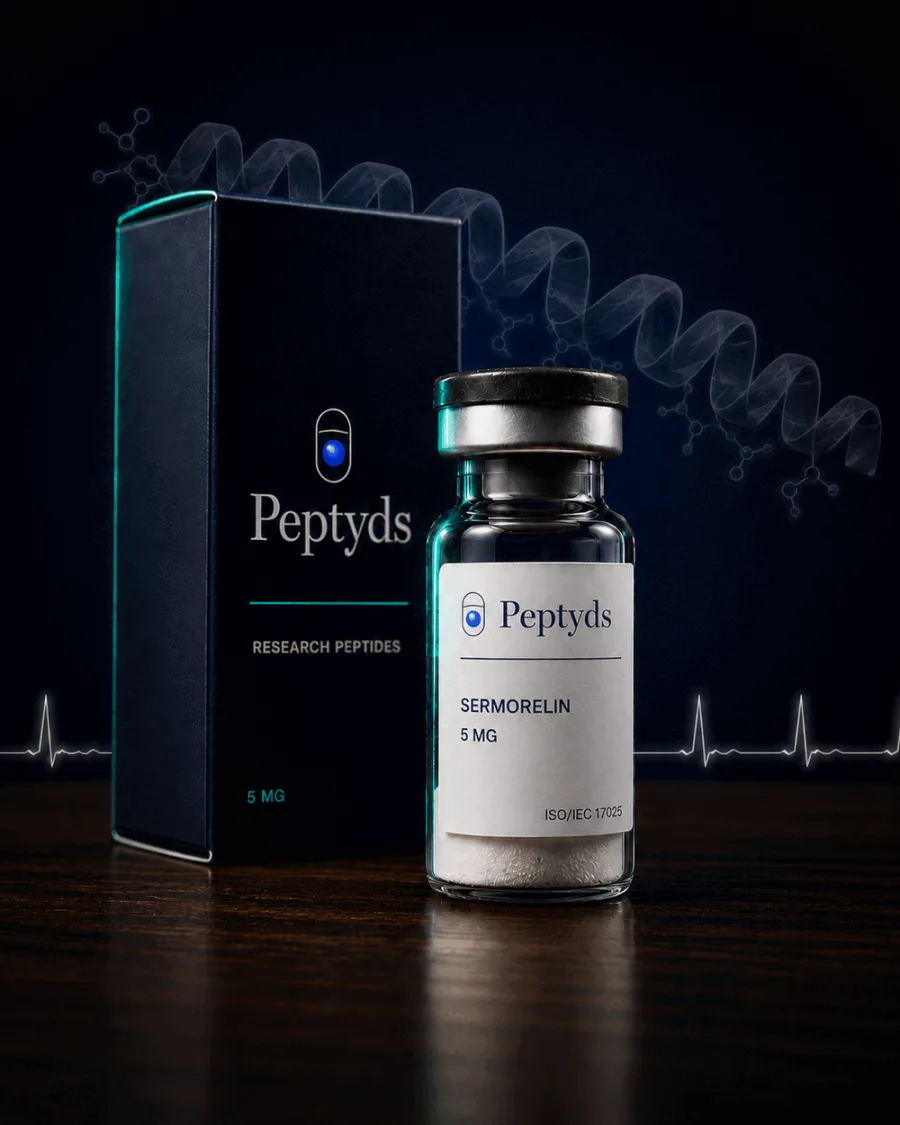
A GHRH analogue studied for endogenous growth hormone stimulation — investigated in body-composition, sleep, and healthy-aging contexts.
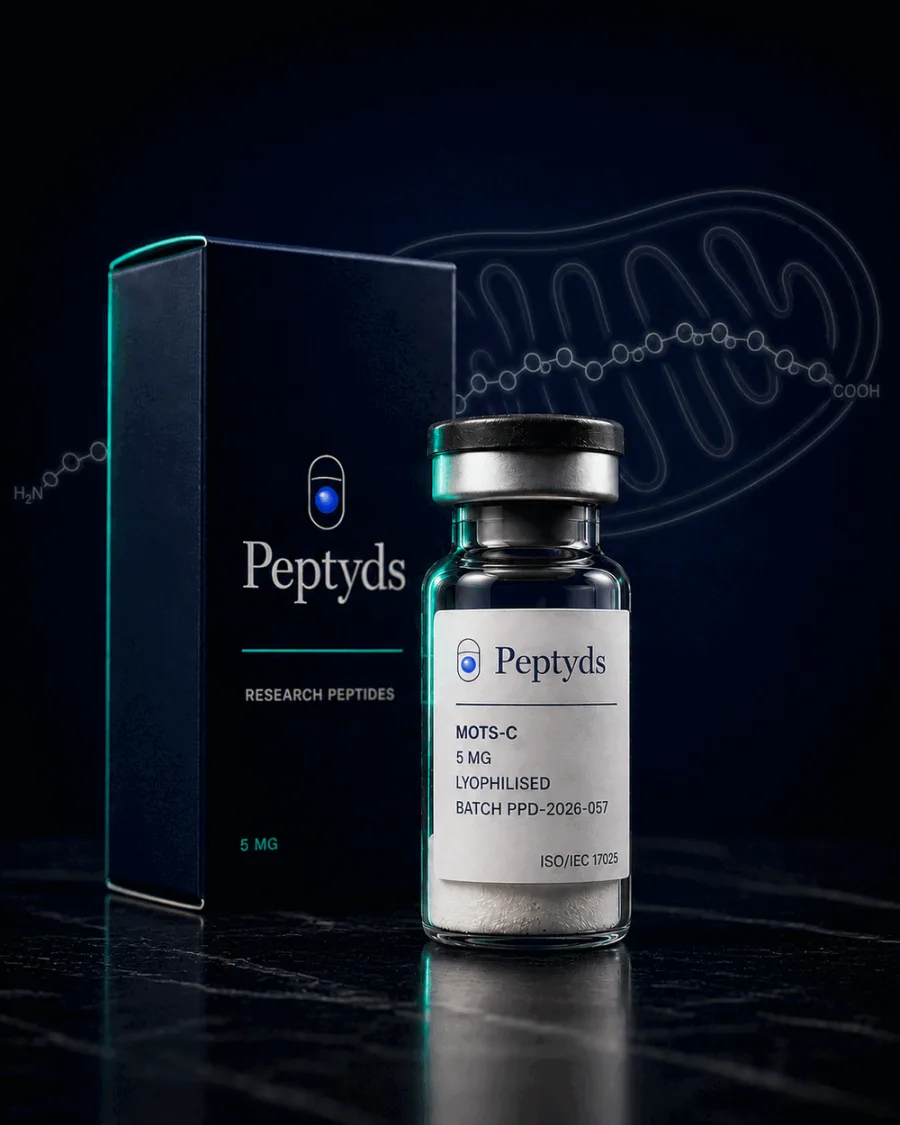
A mitochondria-derived peptide studied for its role in metabolic regulation, insulin sensitivity, and cellular energy homeostasis — an emerging longevity-pathway molecule.
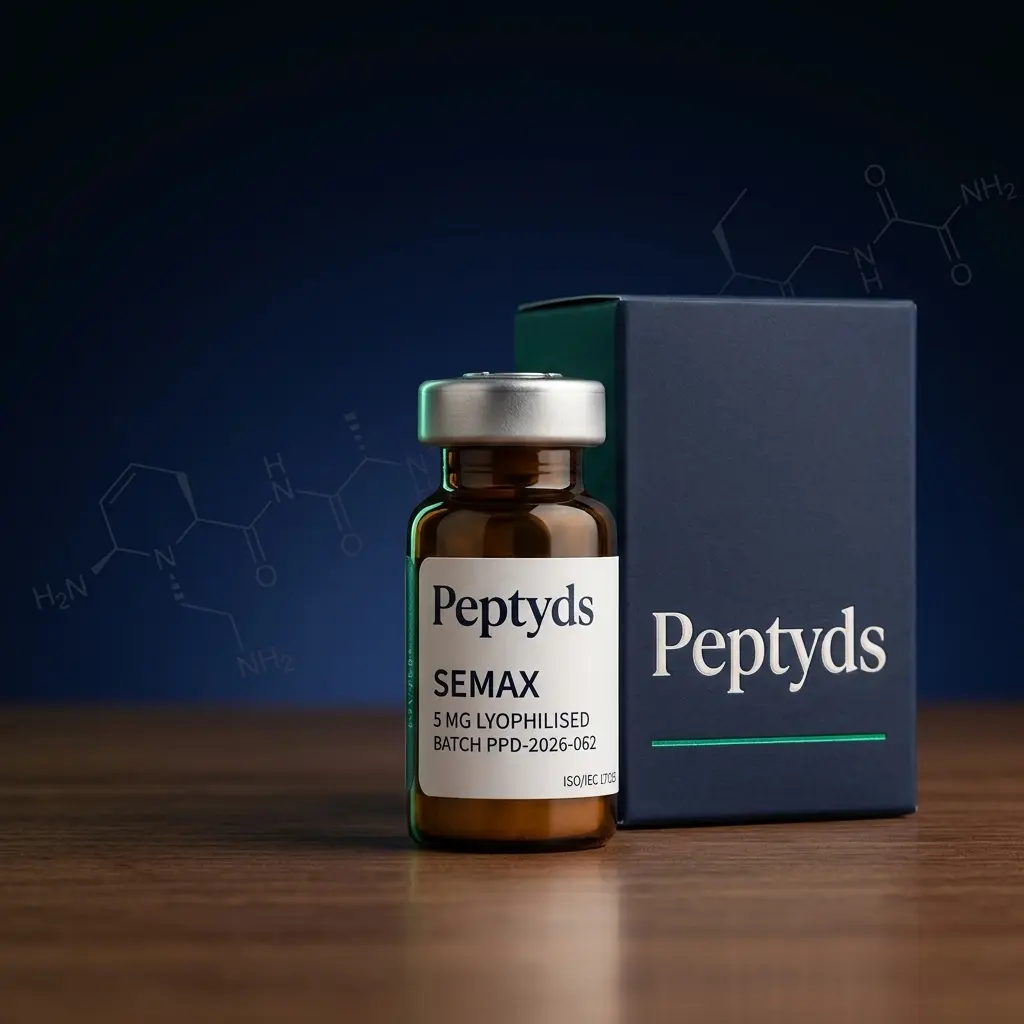
Neuroprotective & Cognitive Research.
- longevity-overview
- quality-systems
Each release is matched with quality documentation through a documented verification path. Identity, purity, and composition test results sit on the product page before you buy.
Every batch is verified by an ISO/IEC 17025-accredited laboratory before release. Identity, purity, and documentation travel with the product — not behind a form.
HPLC is a useful purity signal, but it should be read with method context, chromatogram quality, and identity confirmation.
A research-literate guide for reading peptide claims: study type first, human relevance second, buying decision third.
GHK-Cu has a real skin-research footprint, but formulation, route, and evidence limits still matter.
Goal-led shopping helps guided buyers compare research context, quality proof, and product fit without decoding every molecule first.
Peptides are short chains of amino acids — typically 2 to 50 — joined by peptide bonds. Smaller than proteins, larger than single amino acids.
NAD+ is not a peptide. It is a dinucleotide coenzyme central to sirtuin biology, DNA-damage repair, and cellular energy. This guide separates the published mechanism from the marketing.
Sermorelin, CJC-1295 and tesamorelin are three different points on the same GHRH map. Only one of them has an EMA EPAR — and that matters more than any forum stack ever will.
Reconstitution is the moment a sterile lyophilised peptide meets bacteriostatic water — done well, it preserves the molecule; done badly, it wastes the batch. Here is the calm version.
Questions people ask about this category.
Honest, short answers to the things most shoppers want to know before they buy.
Most people know the outcome they want — better recovery, long-horizon support, better skin — before they know which molecule fits. Starting from the goal makes the product choice clearer and reduces the risk of buying something that does not fit the routine.
Every batch ships with a batch code printed on the vial. The matching independent lab report — showing identity, purity, and composition — is linked on the product page and stays on your order page after purchase.
Each page opens with a clear purpose line and the testing behind it, then expands into research notes, dosing specifications, and linked peer-reviewed studies for readers who want more depth. You decide how deep you go.